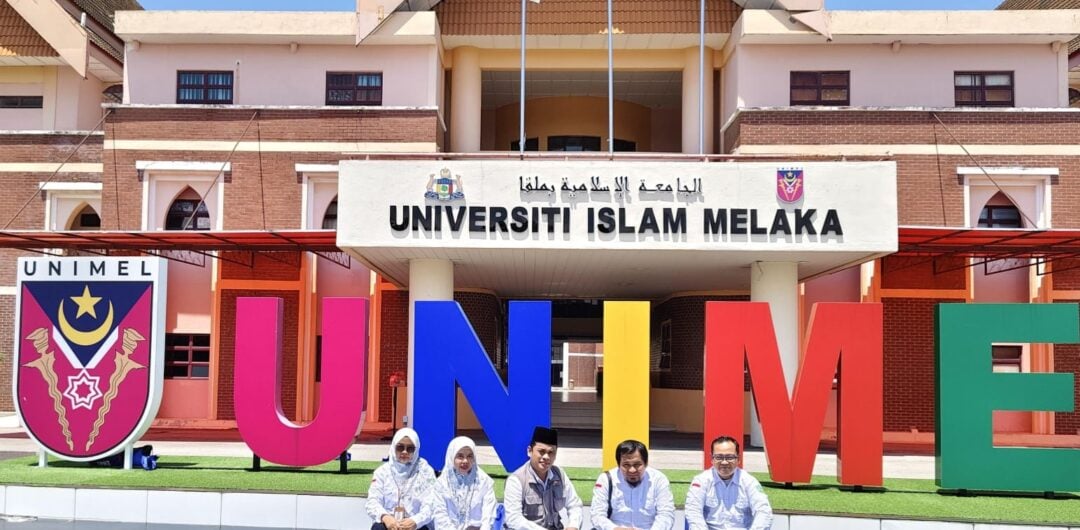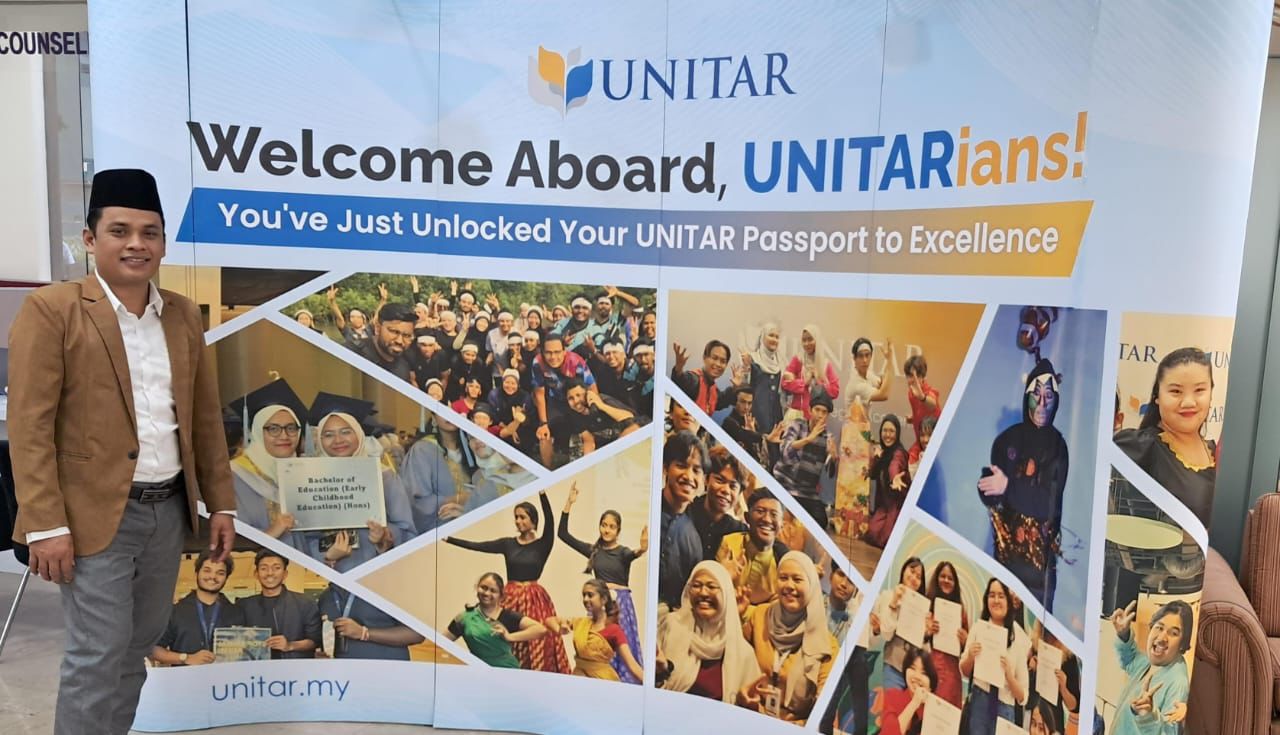
KUALA LUMPUR, October 9, 2024 – In a groundbreaking academic presentation at Kuala Lumpur Metropolitan University College (KLMUC), Dr. KH Muhammad Hadi M.Hi, Dean of the Faculty of Islamic Economics and Business (FEBI) at IAIN Kendari, Indonesia, introduced the innovative concept of “Warisnomic” to an international audience of students and faculty members. The presentation, titled “Warisnomic and Its Implementation in Productive Economic Empowerment,” showcased a novel approach to managing Islamic inheritance (waris) to foster productive economic growth.
Warisnomic: A New Paradigm in Islamic Economics
Dr.KH Muhammad Hadi, M.HI presentation centered on the Warisnomic concept, which focuses on leveraging inheritance to strengthen family and community economies, particularly within Muslim communities. This approach represents a significant shift in traditional perspectives on inheritance management in Islamic societies.
“Warisnomic is not just about distributing wealth; it’s about creating sustainable economic growth from inherited assets,” Dr.KH Muhammad Hadi, M.HI explained during his lecture. “We’re looking at ways to transform static inheritance into dynamic economic drivers.”
Theoretical Foundations: Al-Haran and Al-Syatibi
The Warisnomic concept draws its theoretical basis from two major Islamic economic theories:
- Al-Haran’s Theory: This theory provides three primary frameworks for analysis:
- Return-bearing financing
- Return-free financing
- Charity financing
These frameworks serve as the foundation for analyzing inheritance-based economic management.
- Al-Syatibi’s Theory: This theory discusses the concept of dharuriyat (necessities), which aims to safeguard human welfare in both worldly affairs and the afterlife. It encompasses the preservation of religion and wealth (hifd al-mal), among other aspects.
Dr. Hadi’s innovative approach lies in the synergy between these two theories, creating a comprehensive framework for productive inheritance management.
Practical Applications: Case Studies from Southeast Sulawesi
To illustrate the practical implications of Warisnomic, Dr.KH Muhammad Hadi, M.HI presented case studies focusing on the Javanese and Butonese communities in Southeast Sulawesi, Indonesia. These ethnic groups, with their unique cultural practices and economic challenges, served as ideal subjects for examining the real-world application of Warisnomic principles.
“Our research shows that when inheritance is managed productively using the Warisnomic approach, we see a significant increase in family welfare and sustainable economic growth,” Dr.KH Muhammad Hadi, M.HI noted. He highlighted several success stories where families had transformed inherited land or businesses into thriving economic ventures, creating jobs and fostering community development.
Global Implications and Future Research
The presentation at KLMUC marks a significant step in bringing the Warisnomic concept to the international stage. Dr.KH Muhammad Hadi, M.HI emphasized the potential for this approach to address economic challenges faced by Muslim communities worldwide.
“While our initial studies focused on Indonesian communities, the principles of Warisnomic are universally applicable,” Dr.KH Muhammad Hadi, M.HI stated. “We’re excited to collaborate with international partners to explore how this concept can be adapted to different cultural and economic contexts.”
The event has sparked interest among Malaysian academics and economic planners, with several expressing interest in collaborative research projects to develop further and implement Warisnomic principles in Malaysia’s diverse economic landscape.
Strengthening International Academic Collaboration
This academic exchange is part of IAIN Kendari’s broader efforts to expand its international network and promote innovative concepts in Islamic economics. The collaboration with KLMUC represents a growing trend of cross-border academic partnerships in the field of Islamic finance and economics.
Dr. Ahmad Zaki, Dean of the Business School at KLMUC, commented on the significance of the event: “Dr.KH Muhammad Hadi, M.HI presentation opens new avenues for research and practical application in Islamic economics. We look forward to fostering closer ties between our institutions to explore these concepts further.”
The presentation concluded with a lively Q&A session, where students and faculty members engaged Dr.KH Muhammad Hadi, M.HI on various aspects of Warisnomic, from its theoretical underpinnings to potential challenges in implementation.
As the global Islamic finance industry continues to grow, innovative concepts like Warisnomic are poised to play a crucial role in shaping the future of economic development in Muslim-majority countries and beyond. The academic community eagerly anticipates further developments and real-world applications of this groundbreaking approach to inheritance management and economic empowerment. (law)